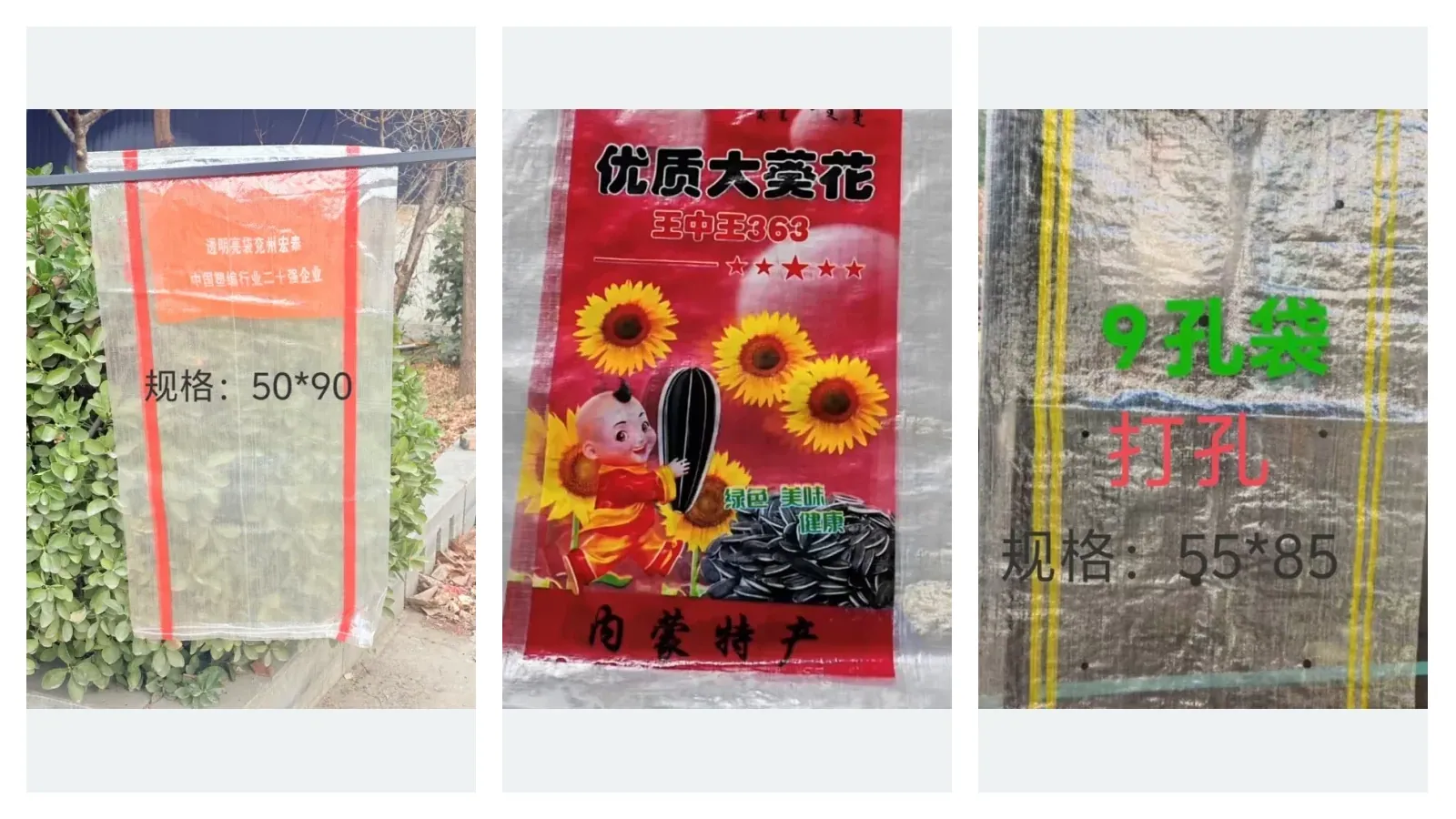
Quick answer: Select transparent PP woven bags for broad product visibility, printed bags for controlled branding and handling information, and perforated bags when the exact product and route require added airflow. Window and laminated designs can combine goals, but every added feature changes the construction that must be tested.
Compare transparent, printed and perforated PP woven bags
| Bag type | Primary purchasing goal | Important tradeoffs |
|---|---|---|
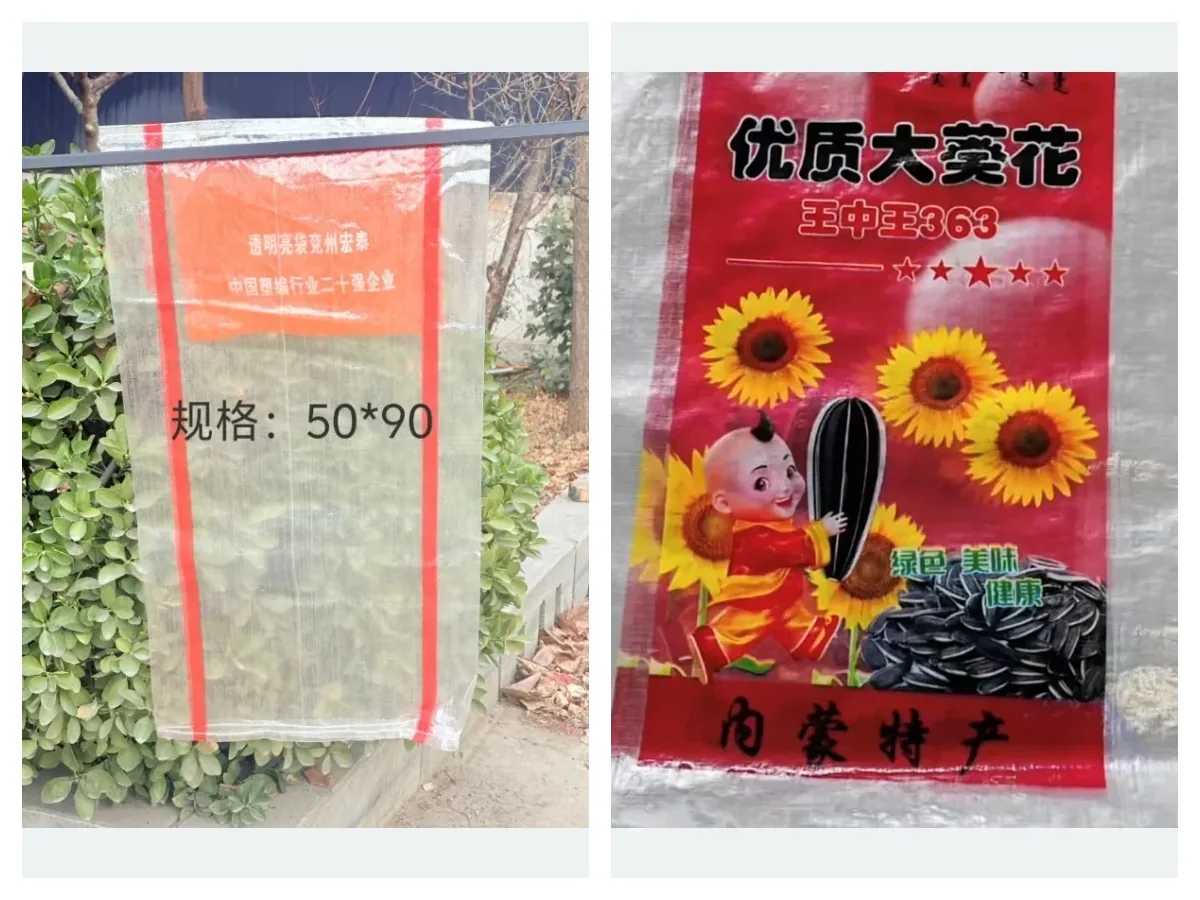
| Transparent woven bag | See the contents across much of the bag | Woven texture, light exposure, print coverage and barrier needs |
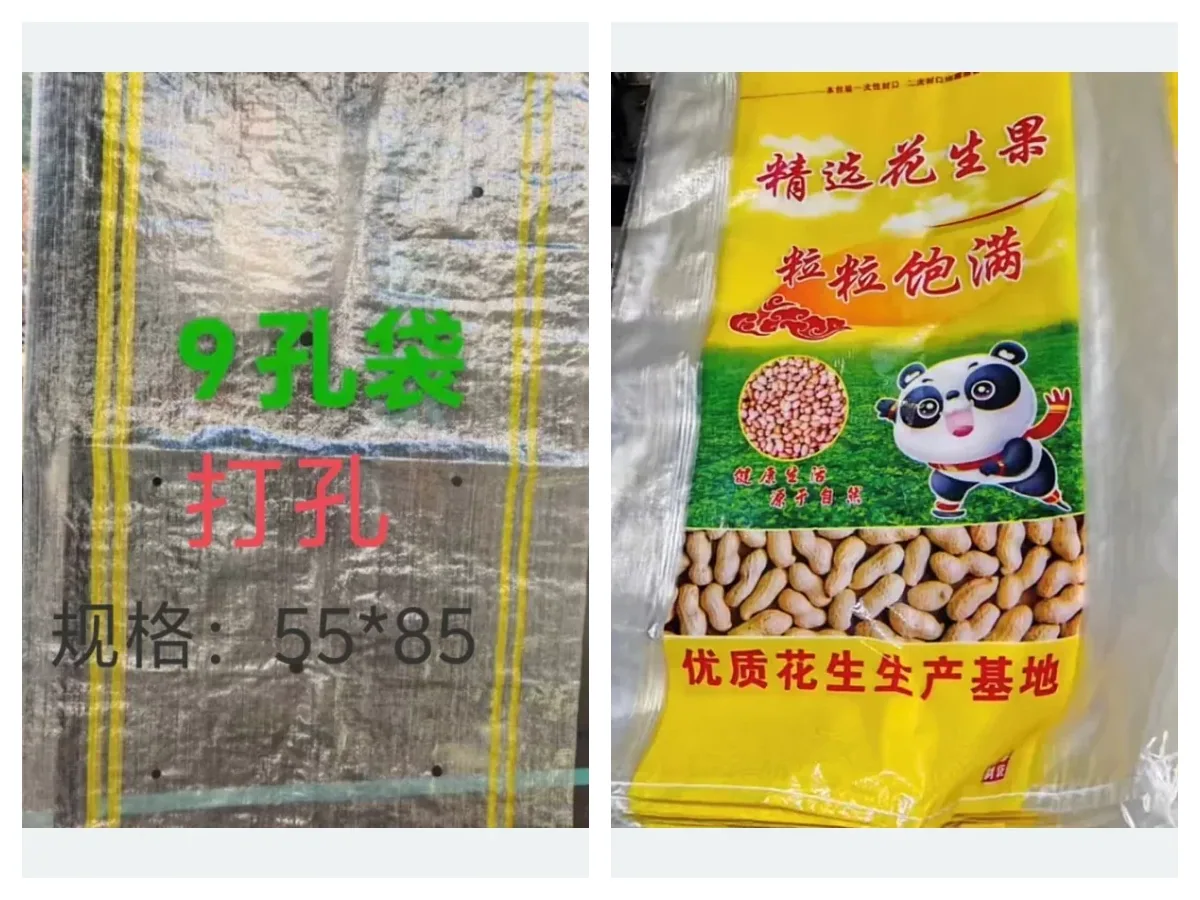
| Custom printed woven bag | Carry branding, product data and handling information | Artwork control, color appearance, legibility and revision risk |
| Perforated woven bag | Increase airflow for a suitable product and route | Reduced barrier, possible product loss and hole durability |
| Transparent-window printed bag | Combine a controlled product view with branded panels | Window placement, artwork boundaries and a more complex construction |
| Coated, laminated or lined bag | Improve containment, print surface or moisture behavior | Filling, closure, visibility, component documentation and recovery options |
These categories are not performance grades. A transparent bag is not automatically lighter, a printed bag is not automatically laminated, and a perforated bag is not automatically suitable for every produce shipment.
Use a buyer decision path
- Define the contents: product, net weight, density, particle size, moisture, temperature and cleanliness needs.
- Choose the primary function: visibility, branding, ventilation, barrier or a prioritized combination.
- Map operations: filling, closing, coding, stacking, storage, transport and receiving.
- Select the closest construction: use a current sample to identify what still needs customization.
- Run a filled trial: evaluate the complete bag under representative conditions.
- Freeze the specification: connect dimensions, construction, artwork, packing and inspection to the order.
If two requirements conflict, rank them. For example, additional perforation may support airflow but work against dust containment, while heavier print coverage may reduce the viewing area on a transparent bag.
Evaluate combined designs as complete constructions
A transparent-window bag can show the product while reserving panels for graphics and handling instructions. Review the window after filling and stacking because curvature, folds and the product itself can affect what the buyer sees.
A laminated printed bag may provide a smoother print surface or changed moisture behavior, but the exact layer structure, filling process and closure need approval. Do not transfer test results from an uncoated bag to a laminated or lined version without review.
Match the bag style to a real application
- Warehouse identification: a transparent sack can support quick visual checks when broad visibility is valuable.
- Branded seed or nut packaging: a custom printed bag can carry controlled artwork and product information.
- Ventilated potatoes: a perforated reference bag can start an airflow and handling trial.
- Product view plus branding: a transparent-window bag can be evaluated where both functions matter.
These examples help select a starting format, not a universal application approval. Confirm the final dimensions, components, intended contact, product behavior and regulatory requirements before ordering.
Review food contact, hazardous materials and environmental claims separately
For a U.S. food-contact use, review the exact material components and intended conditions using FDA guidance on food-contact material status. For regulated hazardous materials, ordinary PP woven bags should not be assumed authorized; packaging selection must follow the applicable transportation rules.
If the bag will carry a recyclable or other environmental claim, evaluate the complete construction and the target market. The FTC’s recyclable-claims guidance addresses deceptive claims and the role of facility availability.
Buyer FAQ
Which PP woven bag type is most versatile?
There is no universal choice. Select the style that solves the highest-priority visibility, branding, ventilation or barrier need without creating an unacceptable tradeoff.
Can a transparent bag also be printed?
Yes, printing can be evaluated, but protected viewing areas, artwork position and legibility should be marked in the proof and checked on a filled sample.
Are perforated bags only for potatoes?
No, but suitability depends on the exact product, size, airflow requirement, loss risk and route. A potato reference should not be copied to another product without a trial.
When is a transparent-window bag useful?
It is useful when the buyer needs a defined product view and larger printed panels. Check window location, visibility after filling and the component structure.
Does lamination make a bag moisture-proof?
It can change barrier behavior, but seams, closure, damage and storage conditions still matter. Define the exposure and validate the complete package.
What should I send to compare bag types?
Send contents, fill weight, dimensions, primary function, filling and handling route, customization, quantity, packing, destination and delivery target.
Select a PP woven bag type for sampling
Review Hongtai’s transparent, printed and perforated collections, then submit the product type, material preference, size, application environment, custom features, estimated quantity, packing, destination and requested delivery date through Contact Us. Ask for the closest construction and the test steps needed before bulk approval.