Quick answer: PP woven bags are produced by converting polypropylene into tapes, weaving those tapes into fabric and converting the fabric into a finished bag. For procurement, the useful question is not only how the bag is made, but where the specification can change and which records or samples control those changes.
PP woven bag production process
- Tape extrusion: polypropylene is melted, formed and drawn into tapes. Resin formulation, color and process settings influence the fabric that follows.
- Circular weaving: warp and weft tapes are interlaced into tubular woven fabric. Weave consistency and usable width must stay within the approved specification.
- Surface or barrier processing: depending on the design, fabric may move to printing, lamination or another specified step.
- Cutting and conversion: fabric is cut to length, perforated if required and prepared for the selected seam and opening.
- Sewing and finishing: the bottom or other required seam is completed, loose material is controlled and the finished bag is prepared for inspection.
- Counting and export packing: accepted bags are counted, bundled or packed, labeled and staged for shipment.
Quality checkpoints that connect process to performance
| Process stage | Typical check | Buyer-facing control |
|---|---|---|
| Incoming materials | Correct material, color and approved component references | List required material or compliance documentation in the purchase order |
| Tape and weaving | Width, appearance and weave consistency | Define measurement method and approved visual standard |
| Printing | Artwork revision, orientation, color reference and registration | Use a dated proof and identify variable data clearly |
| Cutting and sewing | Finished dimensions, seam position, opening and loose threads | Set tolerances and inspect the functional opening after conversion |
| Finished bag | Appearance, construction and agreed functional checks | Approve a representative sample and inspection plan |
| Packing | Count, bundle protection, labels and pallet pattern if used | Match receiving requirements and container-loading plan |
A quality plan should distinguish in-process controls from final acceptance. Final inspection may catch a visible defect, but controlling width, artwork and conversion settings earlier is more effective than sorting a completed order.
Optional steps create different risk points
A printed woven bag adds artwork control, color reference and print-position checks. A perforated bag adds hole pattern, location and airflow decisions, while a laminated or lined construction adds component and barrier questions.
These features should not be treated as isolated add-ons. Printing can cover a visibility window, perforations can reduce containment, and a liner can affect filling speed or recycling claims, so the complete construction needs a single approval.
A practical buyer approval workflow
- Issue a written request with contents, fill weight, dimensions, construction, printing and packing.
- Review the supplier’s proposed specification and identify assumptions.
- Test a construction sample with the actual filling and closing process.
- Approve artwork separately, then connect its revision to the bag specification.
- Agree on inspection points, sampling and how nonconforming product will be handled.
- Confirm export packing, labels, shipping marks and required documents before production release.
If a change is requested after approval, ask which production stages and records it affects. A small artwork or dimension change can influence materials already prepared, conversion settings and the production schedule.
Hongtai production context
Hongtai’s current company information reports five extrusion lines and more than 200 circular looms. Buyers can use those confirmed site facts as the starting point for a line-allocation and capacity discussion, while confirming the actual schedule for the final bag design, quantity and delivery window.
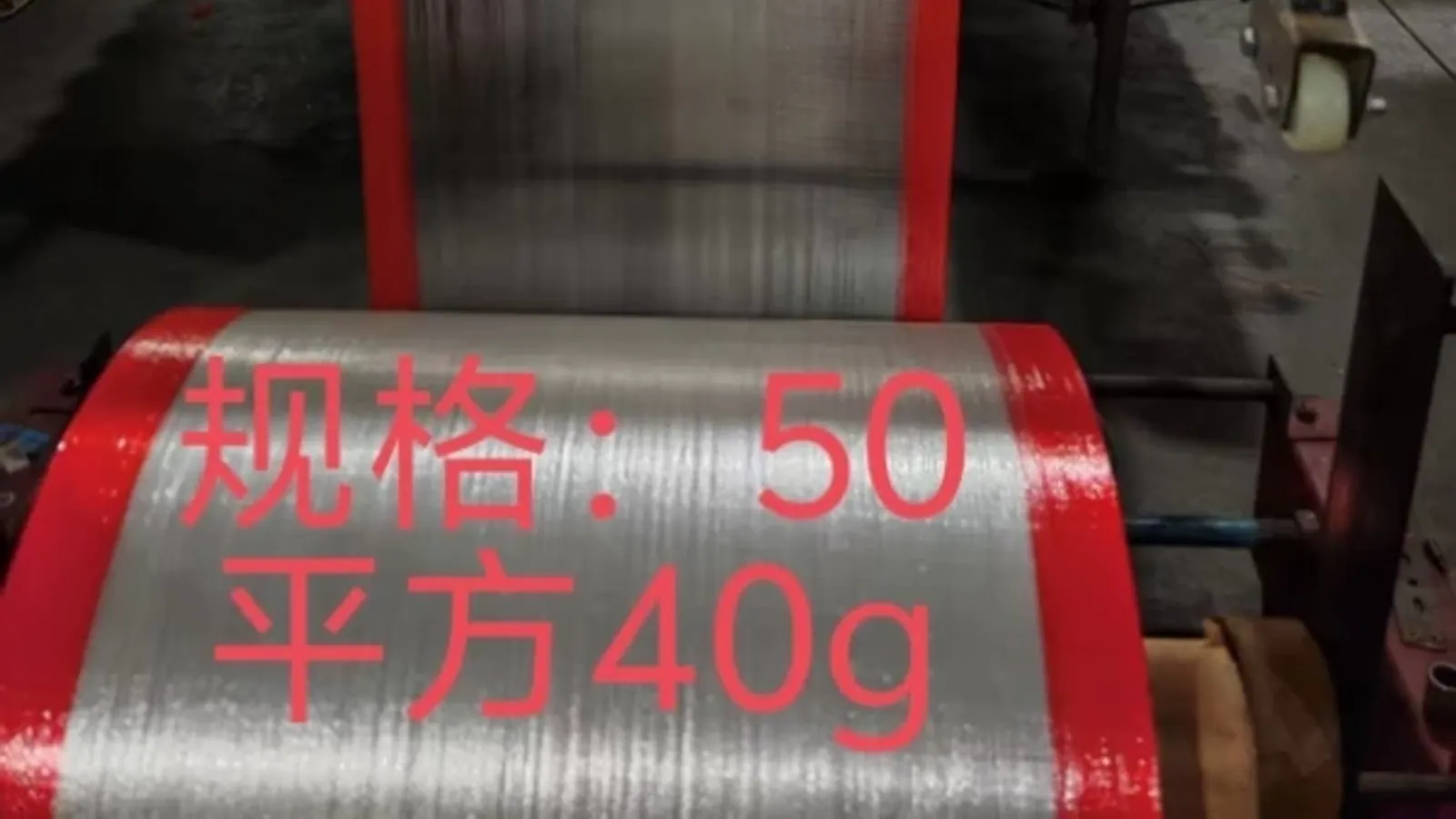
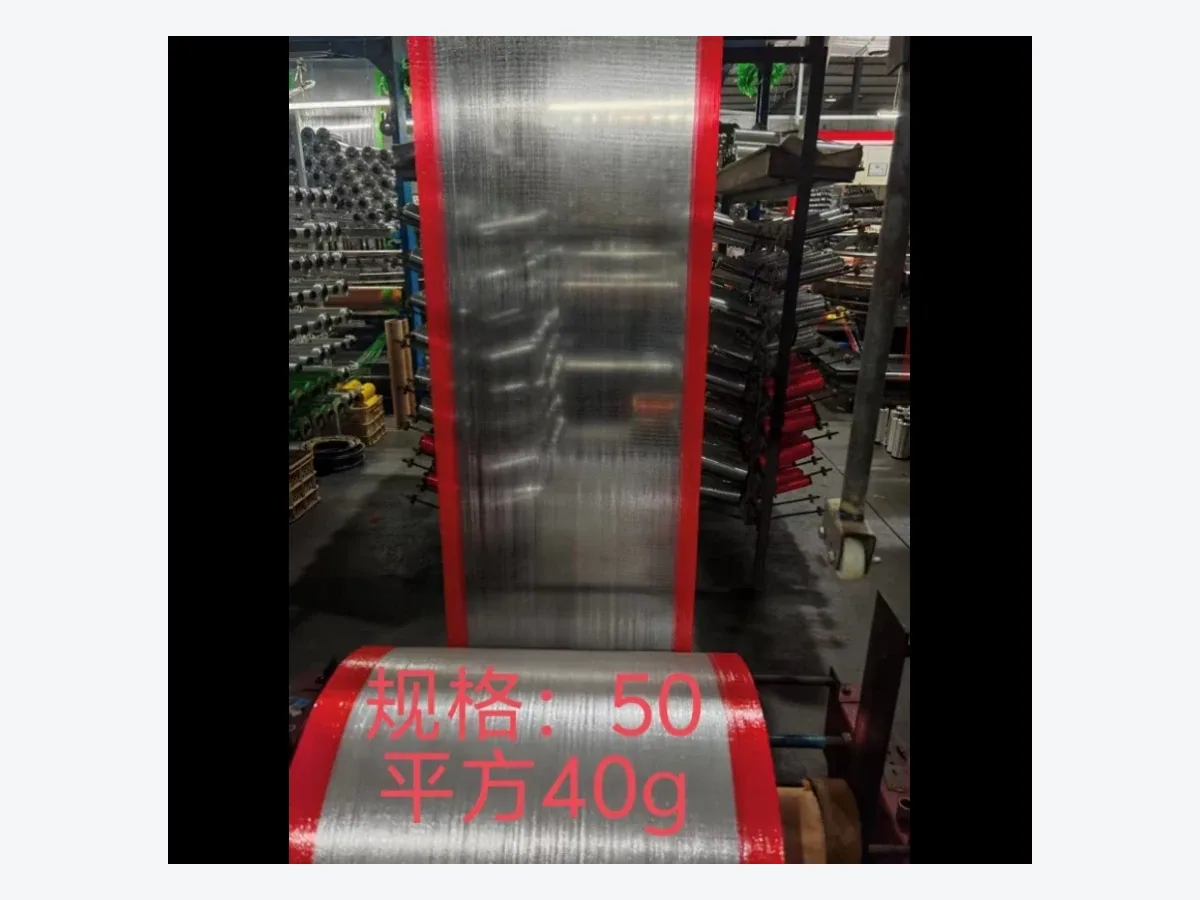
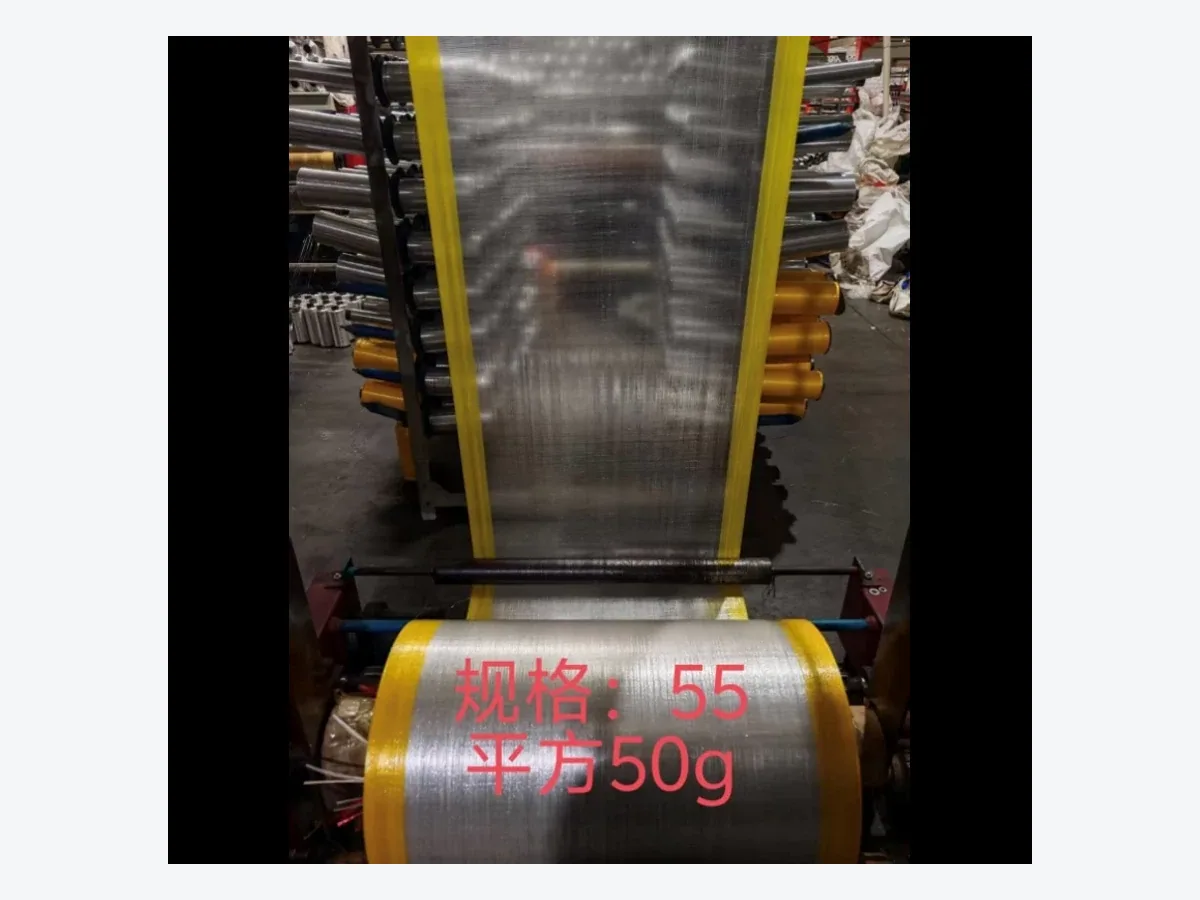
The production image above shows transparent woven fabric on equipment, while the finished-bag image shows a construction ready for dimensional and visual review. Neither image substitutes for batch-specific inspection records; request the evidence needed for the purchase specification.
Buyer FAQ
What is the difference between woven fabric and a finished woven bag?
Woven fabric is the intermediate tube or sheet created by interlacing tapes. It must still be cut and converted, and may also be printed, laminated, perforated, sewn and packed.
Where do most specification errors enter the process?
Errors often come from incomplete dimensions, unversioned artwork, unclear optional layers or a mismatch between the approved sample and purchase order. A controlled specification reduces those gaps.
Can one sample represent every bulk order?
A sample can establish an approval reference, but the supplier and buyer should also agree on production tolerances and batch inspection. Reapproval may be appropriate after a material, construction or artwork change.
What manufacturing records should an importer request?
Request records that support the purchase requirements, such as approved specification and artwork, inspection results, packing count and any agreed material or compliance documents.
How early should export packing be confirmed?
Confirm it before production release. Bundle count, pallet choice, labels and container plan affect materials, handling and receiving preparation.
Turn the process into a controlled RFQ
Send the product type, material or construction preference, dimensions, application environment, customization, estimated quantity, packing, destination and delivery target through Contact Us. Ask for a proposed process route and approval sequence so the quote covers the same bag your operation will test.