Quick answer: Lightweight PP woven bags can reduce material per package only when the redesigned bag still protects the product through filling, closing, stacking and transport. A recyclable claim is a separate decision that must account for every layer, attachment and the collection options available to the intended audience.
Establish a performance baseline before reducing material
Document the current bag’s dimensions, construction, packed product, net weight, closure, pallet pattern, damage rate and distribution route. Without a baseline, a lighter sample may look acceptable while moving failure costs to filling downtime, product loss or customer returns.
Separate requirements from inherited features. The goal is to remove unnecessary material or complexity while retaining the performance that the operation actually needs.
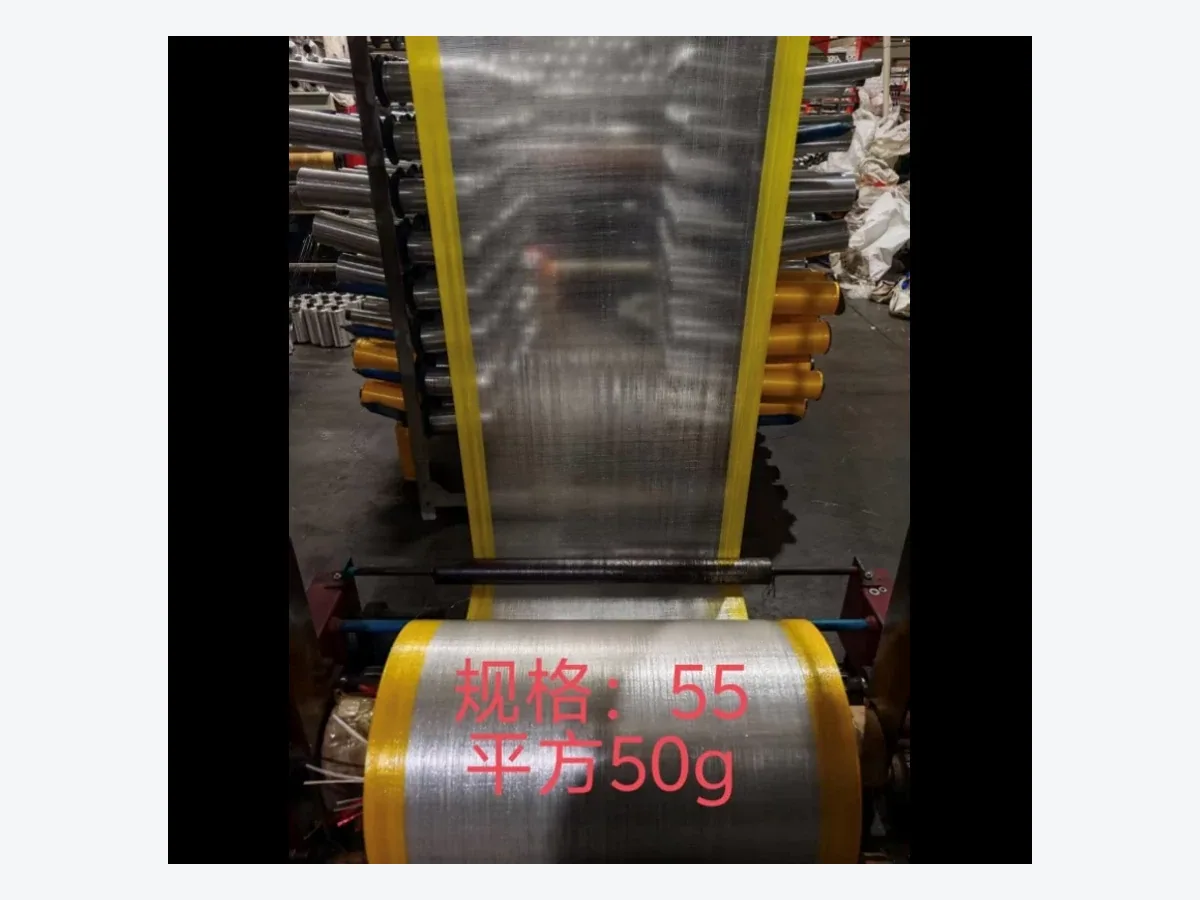
Lightweight the package through controlled trials
- Freeze the product, fill weight, bag size, closure and handling route.
- Select one construction change for the first comparison.
- Fill both baseline and trial bags under the same conditions.
- Compare line feeding, closure, leakage, deformation and stack stability.
- Run representative warehouse and transport handling.
- Record material, product-loss and operational outcomes before approving the change.
Do not use bag weight as the only indicator of material efficiency or performance. Dimensions, tape and weave design, seams, optional layers and the amount of packaging damaged in use all affect the result.
Evaluate recyclability across the complete construction
A PP identification alone does not establish that the finished bag will be recycled in every market. Coatings, liners, inks, labels, closures, contamination and the availability of collection and processing programs can all influence the claim.
The U.S. FTC’s current Green Guides provision on recyclable claims states that marketers should not misrepresent recyclability and ties unqualified claims to the availability of appropriate recycling facilities. Review the specific claim and target market with qualified compliance support before printing it on the bag.
Compare material-efficiency design choices
| Design choice | Possible benefit | Tradeoff to test |
|---|---|---|
| Lower-material woven construction | Less material per empty bag | Filled strength, puncture, seam and stack behavior |
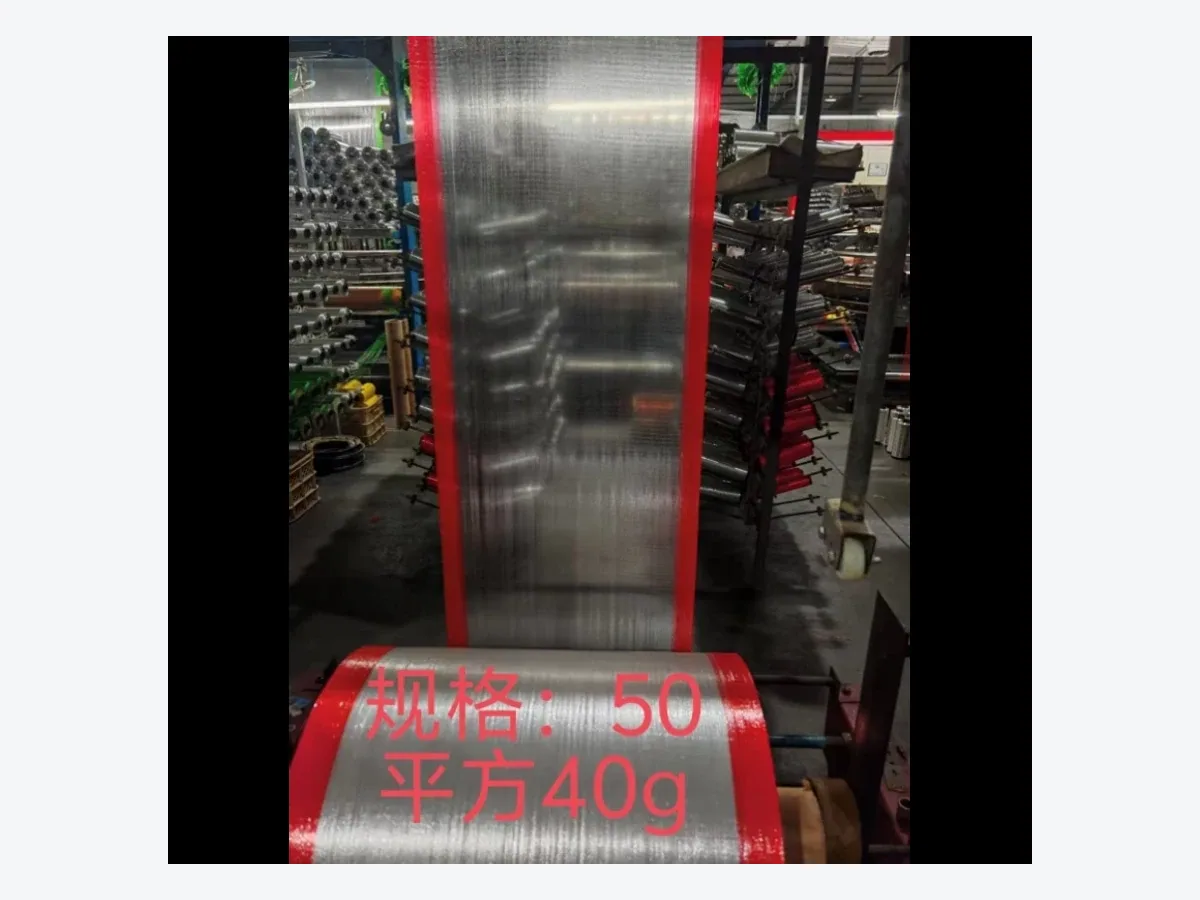
| Transparent construction | Product identification without a separate window component | Visibility, light exposure and printing needs |
| Reduced print coverage | Less ink and simpler artwork in some programs | Required branding, warnings and warehouse identification |
| Single-material direction | May simplify sorting compared with dissimilar layers | Barrier, closure and actual recovery infrastructure |
| Reusable handling system | May reduce some secondary packaging | Return logistics, cleanliness and loss rate |
| Tighter shipping packs | More empty bags per shipment volume | Bag opening, creasing, count control and worker handling |
Ask suppliers to describe what changed between the baseline and lightweight sample. If several variables change at once, a test failure will not show whether the cause was fabric, dimensions, seam, liner or another component.
Validate environmental language and package performance separately
One test plan should confirm operational performance; a separate evidence review should support any environmental statement. Avoid broad terms such as “eco-friendly” unless the claim is specific, qualified and supported for the target audience.
For procurement records, keep the approved construction, filled-package results, component list and basis for any printed claim. If a liner or coating changes, reassess both package performance and the marketing language.
Buyer FAQ
Does a lighter woven bag always use fewer resources overall?
It uses less bag material per unit, but the buyer should also consider failures, product loss, secondary packing and shipment efficiency. Validate the complete operational result.
Are all polypropylene woven bags recyclable in the United States?
No universal statement is accurate. The complete construction, contamination and access to suitable collection and processing programs affect whether and how a claim can be made.
Can a laminated bag carry an unqualified recyclable claim?
Do not assume it can. Review all layers and components, the intended audience and facility availability under the applicable claim guidance.
How should I compare a lightweight sample with my current bag?
Use the same product, fill weight, closure, pallet pattern, conditioning and handling route. Record both package damage and operational effects.
What evidence should I request from a supplier?
Request the full construction and component information, approved samples, agreed test results and any documentation directly relevant to the environmental claim or intended use.
Build a material-efficiency trial brief
Submit the packed product, current material or construction, dimensions, application environment, target change, estimated quantity, packing, destination and delivery date through Contact Us. Include the current bag and failure criteria so Hongtai can prepare a comparable transparent woven bag or other construction for testing without making an unsupported recycling promise.