Quick answer: Treat custom printing as controlled packaging data, not decoration added after the bag is chosen. Approve the bag construction, print area, artwork revision, colors, variable information and readability under filled and stacked conditions before bulk production.
Create an artwork brief that a factory can produce
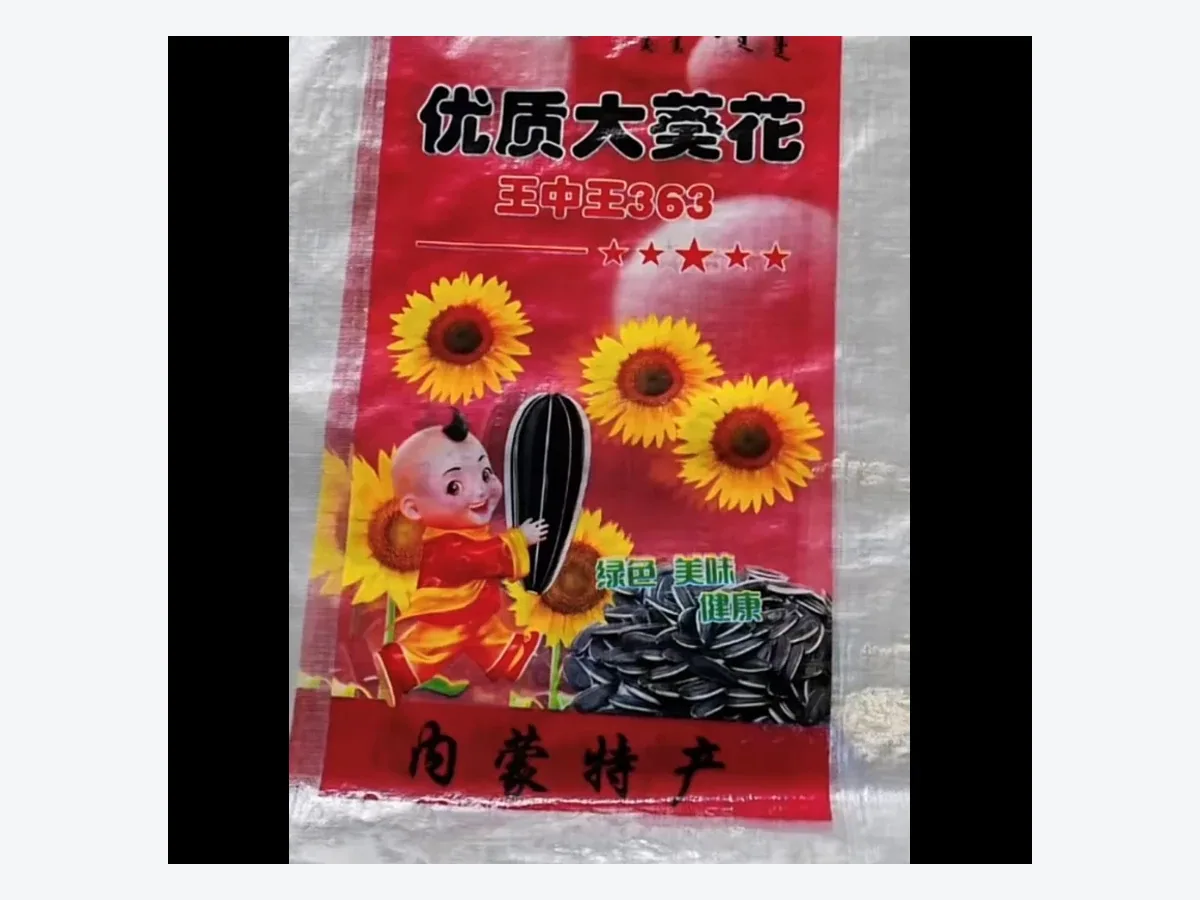
Provide vector artwork when available, outlined or packaged fonts, linked graphics, color references and the final language. Mark the front, back and side orientation, the opening and seam, protected transparent areas and the desired print position from fixed edges.
List every required data field, including product name, net contents, handling text, importer information, lot or date area and shipping identification. The responsible buyer should confirm the accuracy and legal requirements for the destination market before approving the proof.
Control proofs, samples and revisions
| Approval stage | What to review | Control record |
|---|---|---|
| Digital layout | Copy, dimensions, orientation, print area and transparent window | Dated PDF or artwork revision |
| Color reference | Named spot color, physical sample or agreed digital reference | Color target and limitations documented |
| Construction sample | Bag size, surface, seam and print compatibility | Approved plain or existing print sample |
| Printed sample | Registration, legibility, color appearance and position | Signed or otherwise identified production reference |
| Bulk inspection | Correct artwork revision, readable data and defect limits | Purchase specification and inspection report |
A screen proof cannot fully predict ink appearance on woven, transparent or laminated surfaces. If color or small text is important, request a sample using the proposed construction and review it under the lighting used by customers and warehouse scanners.
Design the bag for warehousing and distribution
Place the product name, grade, lot area and handling information where they remain visible after the bag is filled and stacked. Avoid folds, seams and heavily textured areas for small text or codes that must be read quickly.
If a barcode or machine-readable code is required, the buyer should define its data, size, quiet zone and verification method. Printing a code does not guarantee scan performance; check representative filled bags and any stretch, glare or curvature introduced by the contents.
Review U.S. country-of-origin marking early
For U.S. imports, country-of-origin marking is a buyer and importer compliance question that should be resolved before artwork approval. The U.S. Customs and Border Protection guide Importing into the United States explains the general marking framework and importer responsibilities.
Ask the importer or customs adviser to confirm the exact wording, placement, permanence and any exception for the final article and packaging. Then place the approved requirement into the controlled artwork; do not ask the printer to infer it.
Common custom-printing errors
- Sending a screenshot instead of production artwork.
- Using color names such as “dark red” without an agreed reference.
- Failing to identify which edge is the bag opening.
- Placing small text or a barcode across woven distortion, seams or folds.
- Approving artwork without linking it to a specific bag construction.
- Allowing untracked copy changes after sample approval.
Buyer FAQ
What file format should I send for custom printing?
Editable vector artwork is generally the clearest starting point, accompanied by a PDF reference. Confirm the supplier’s accepted file types and provide fonts, linked graphics and color references.
Can the printed color match my screen exactly?
Screens and woven substrates reproduce color differently. Use an agreed color reference and review a production-representative sample for critical colors.
Should I approve the bag or the artwork first?
Develop them together, but control both. The construction determines print surface and area, while the artwork can affect transparent windows and conversion orientation.
Can a barcode be printed on a woven bag?
It can be evaluated, but scan performance depends on size, contrast, substrate, curvature and printing. Define a verification method and test filled samples.
How much lead time does custom printing add?
The schedule depends on artwork readiness, proof or sample route, construction, quantity and production allocation. Confirm it after the final specification and approval sequence are agreed.
Submit a print-ready woven bag inquiry
Send the bag type, material and size, application environment, artwork and customization, estimated quantity, packing, destination and requested delivery date through the inquiry page. Reference the closest item in the printed woven bag collection, and identify any transparent window, barcode or origin-marking requirement before requesting a proof.