Quick answer: A capable PP woven bag manufacturer should be able to turn your packed-product requirements into a controlled specification, supply representative samples, explain inspection points and confirm export packing before production. The strongest evaluation compares evidence against your use case rather than relying on broad claims about strength or capacity.
Start with the packed product, not a catalog description
Send the supplier the product being filled, target net weight, bulk density, particle shape, moisture sensitivity and the way each bag will be filled, closed, stacked and moved. A bag that performs well for dry grain may need a different weave, closure or moisture barrier for fine powder.
Include the required flat width and length, acceptable dimensional tolerance, color, printing, perforation, lamination or liner needs, pallet pattern and destination country. If a field is unknown, ask the supplier to recommend options and state what sample or trial will be used to validate the decision.
PP woven bag manufacturer evaluation checklist
| Evaluation area | Evidence to request | Why it matters |
|---|---|---|
| Specification control | A written specification with dimensions, construction, color, artwork revision and packing method | Prevents the approved sample and bulk order from drifting apart |
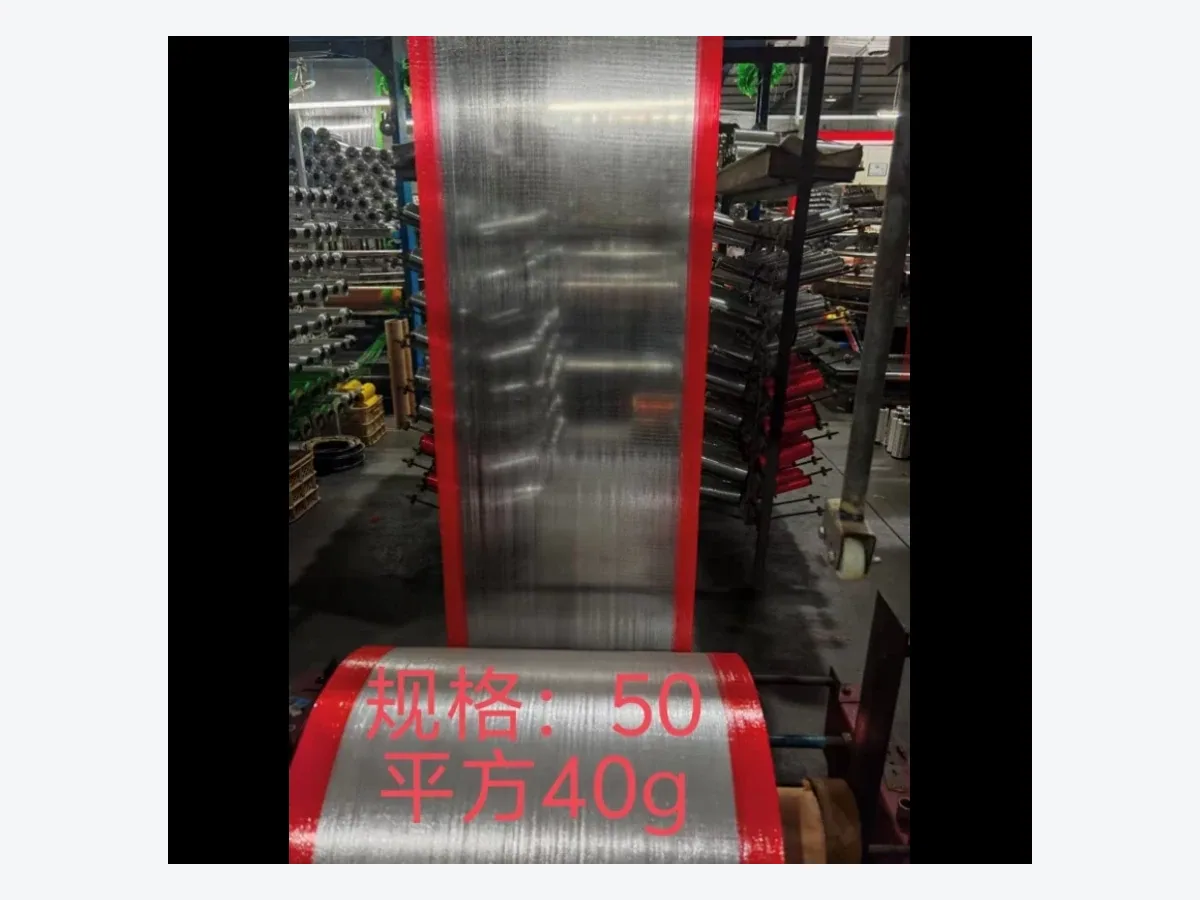
| Material and weaving control | How tape, fabric and bag construction are checked during production | Connects process control to visible weave consistency and bag performance |
| Conversion capability | Available cutting, sewing, printing, perforation and optional barrier processes | Confirms that the proposed construction can actually be produced |
| Sample management | Plain sample, printed proof or pilot sample sequence | Separates visual approval from functional packing validation |
| Final inspection | Inspection items, sampling approach and record format | Defines acceptance criteria before shipment |
| Export packing | Bale or carton format, labels, pallet choice and loading plan | Reduces damage, misidentification and receiving delays |
Ask who owns each approval step and how changes are recorded. A revised logo, seam construction or bundle count should result in a new revision rather than an informal message that can be missed on the production floor.
Build a representative sample and trial plan
- Confirm the written specification. Resolve dimensions, construction, closure, printing and packing assumptions before requesting a final sample.
- Review appearance. Check transparency, color, print position, readable text, seam alignment and visible defects.
- Run a filling trial. Use the actual product and equipment whenever possible, then close and stack the bag as operators will in production.
- Simulate handling. Move trial bags through the intended conveyor, pallet, forklift and warehouse sequence.
- Freeze the approval. Identify the accepted sample and artwork revision in the purchase specification.
Do not approve a heavy-load application from an empty hand sample. Filled-bag behavior depends on the contents, headspace, closure and handling system, so the buyer and supplier should agree on the final validation method.
How Hongtai fits a sourcing review
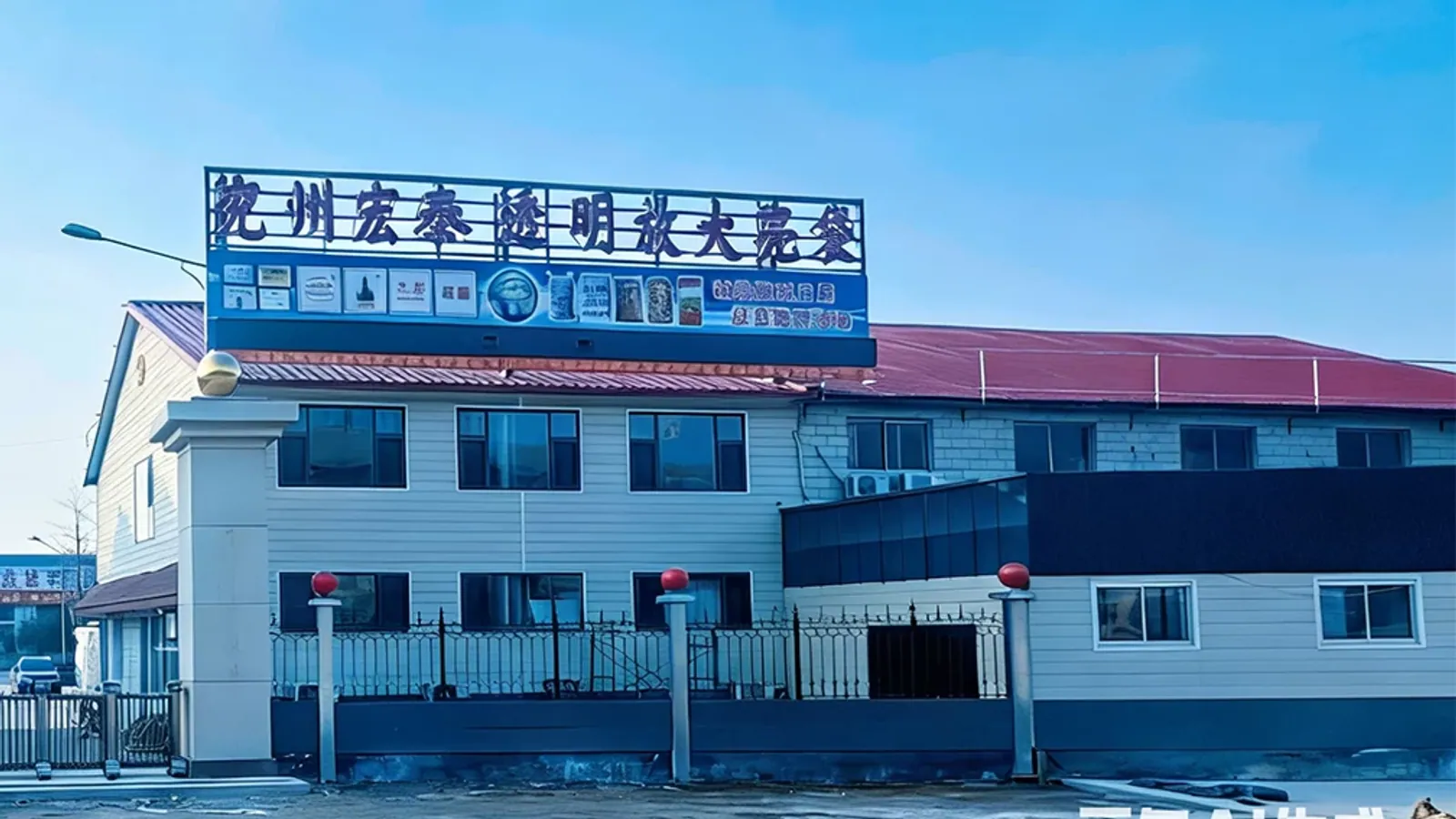
Hongtai’s current company profile states that the business was established in 1993 and operates five extrusion lines and more than 200 circular looms. Those figures help a buyer frame a capacity discussion, but order timing and allocation should still be confirmed against the final specification and requested ship date.
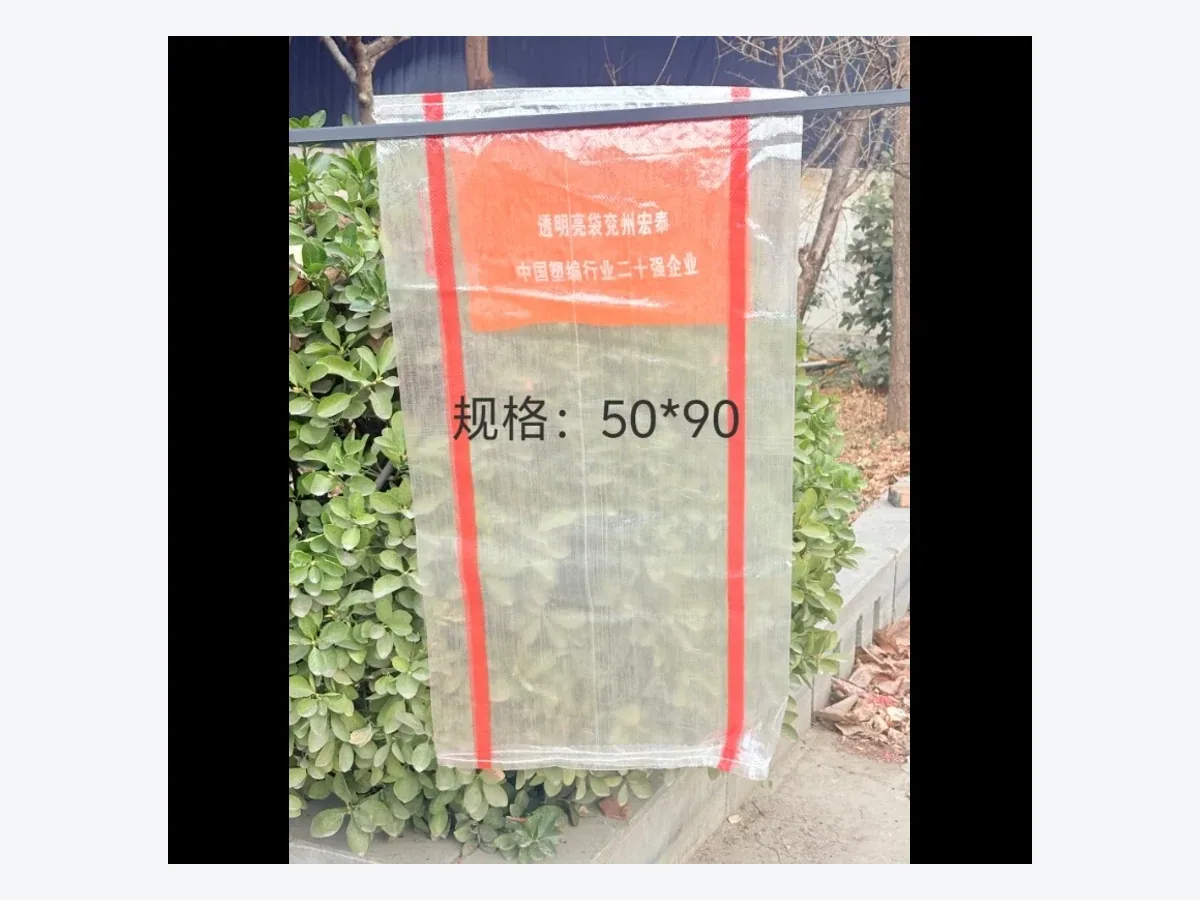
The site presents transparent woven bags, custom printed bags, perforated produce bags and transparent-window constructions. Buyers should ask Hongtai to identify which existing construction is closest to the intended pack before developing a custom sample.
Common sourcing errors and how to avoid them
- Buying by bag weight alone: document the full construction and validate it with the filled product.
- Approving artwork without a production reference: use a dated file name, color references and a signed proof.
- Leaving tolerances undefined: agree on measurement points and acceptable variation.
- Skipping export-pack review: confirm bundle count, labels, moisture protection and container-loading method.
- Assuming every claim applies to every SKU: verify certifications, compliance documents and test records for the exact material and intended use.
Buyer FAQ
What information should I send before requesting a quote?
Send the contents, target fill weight, bag dimensions, construction preferences, artwork, expected quantity, packing method, destination and required delivery window. The supplier can then identify missing decisions before pricing.
Should I request a plain sample or a printed sample first?
A plain construction sample is useful for early filling and handling checks. A printed or pre-production sample becomes important once dimensions, artwork and construction are stable.
How do I compare two quotations that use different specifications?
Normalize the specifications first. Compare dimensions, construction, optional coating or liner, printing, units per bale or carton, pallet terms, trade terms and the inspection plan—not only the unit price.
Can a factory confirm MOQ and lead time before specifications are complete?
Only a preliminary range may be possible because printing, materials, conversion steps and packing affect production planning. Confirm MOQ and schedule after the final specification and artwork route are defined.
What should a pre-shipment inspection cover?
It should follow the purchase specification and may include quantity, dimensions, appearance, print revision, seam and closure checks, packing, labels and any agreed functional tests.
Prepare a quote-ready manufacturer inquiry
For a useful factory review, submit the product type, material or construction preference, size, application environment, customization, estimated quantity, export packing, destination country and requested delivery date through the inquiry page. Add photos of the current bag and any filling or handling constraints so the response can address the real operation.