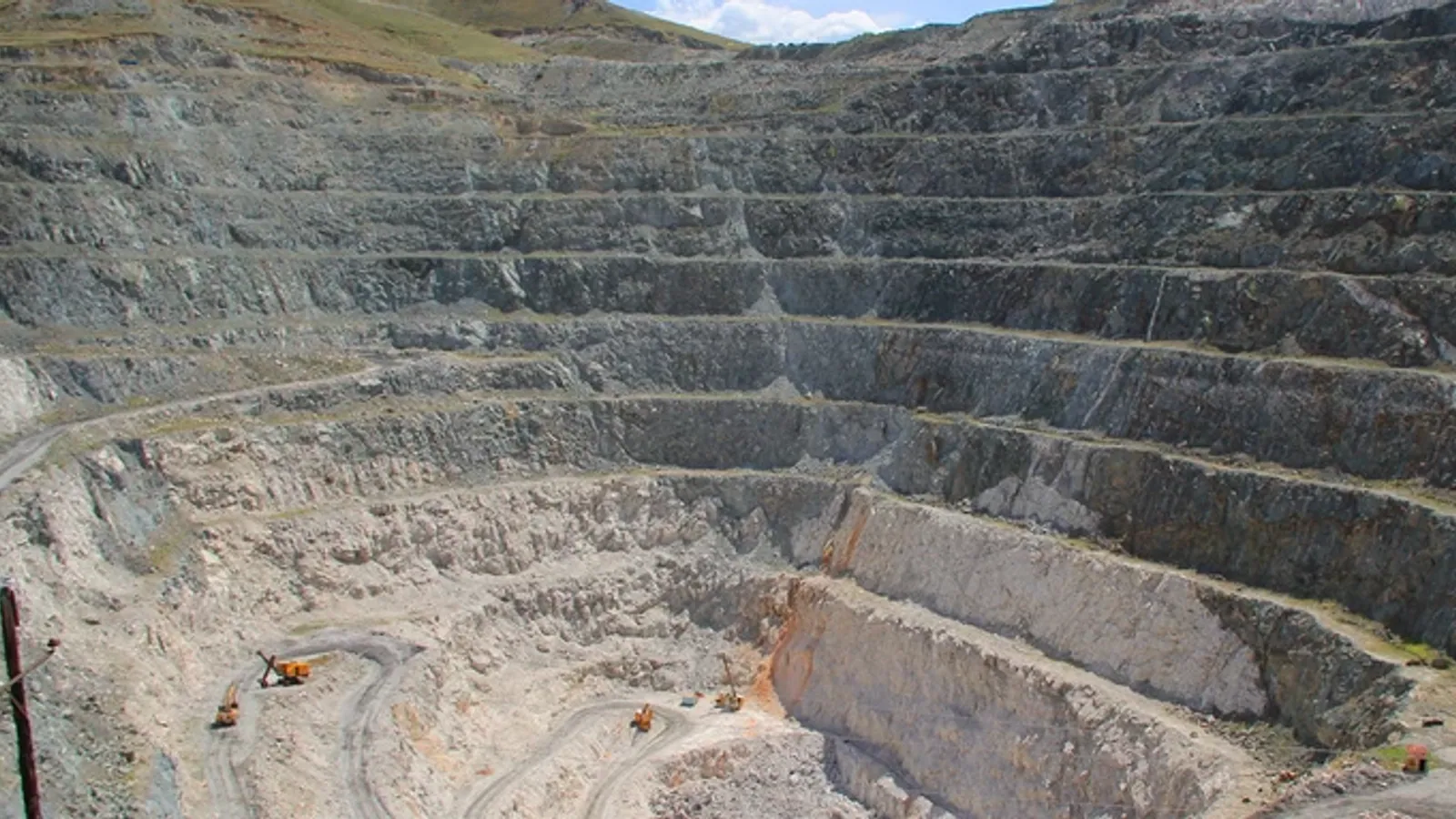
Quick answer: A heavy-duty PP woven bag for minerals should be specified around the mineral’s bulk density, particle size and shape, dust behavior, target net weight and every handling step. Terms such as “strong bag” or a nominal bag weight are not enough to predict filled-bag performance.
Document the mineral and handling profile
Identify the exact material, target net weight, bulk density, largest particle size, sharp or abrasive edges, dust level and moisture sensitivity. Also describe fill temperature and any chemical compatibility concerns using the product’s current safety and technical information.
Map the bag’s route from filling to closure, conveyor transfer, palletization, container loading, inland transport and final unloading. The most damaging point may be a sharp chute, compression in a stack or repeated abrasion rather than the static load alone.
Compare PP woven bag construction options
| Design decision | Potential purpose | Buyer check |
|---|---|---|
| Woven fabric construction | Carry the filled product and resist handling stresses | Approve against filled-bag trials and agreed dimensions |
| Coating or lamination | Improve containment or moisture behavior for some products | Confirm barrier target, adhesion and effect on filling |
| Inner liner | Add a separate barrier or improve fine-powder containment | Review liner fit, closure and compatibility with contents |
| Seam and closure | Retain the product through handling | Test the actual sewing or closing setup with adequate headspace |
| Edge or reinforcement detail | Support construction at selected areas | Confirm location and benefit in the approved sample |
| Printing and identification | Show product, handling or batch information | Control artwork revision and legibility after filling |
No single option is universally required. Coarse dry material, fine powder and moisture-sensitive product create different tradeoffs, so ask the supplier to explain how each layer addresses a stated risk.
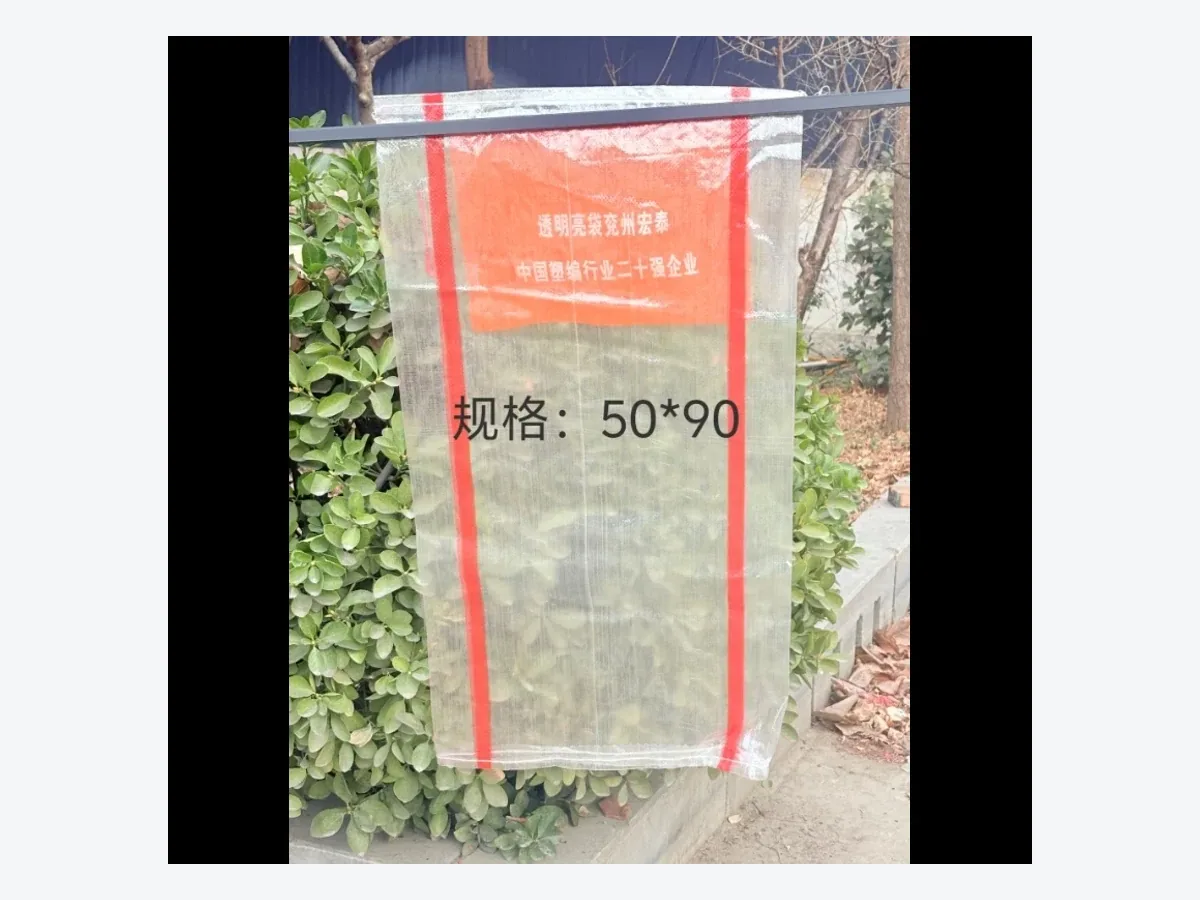
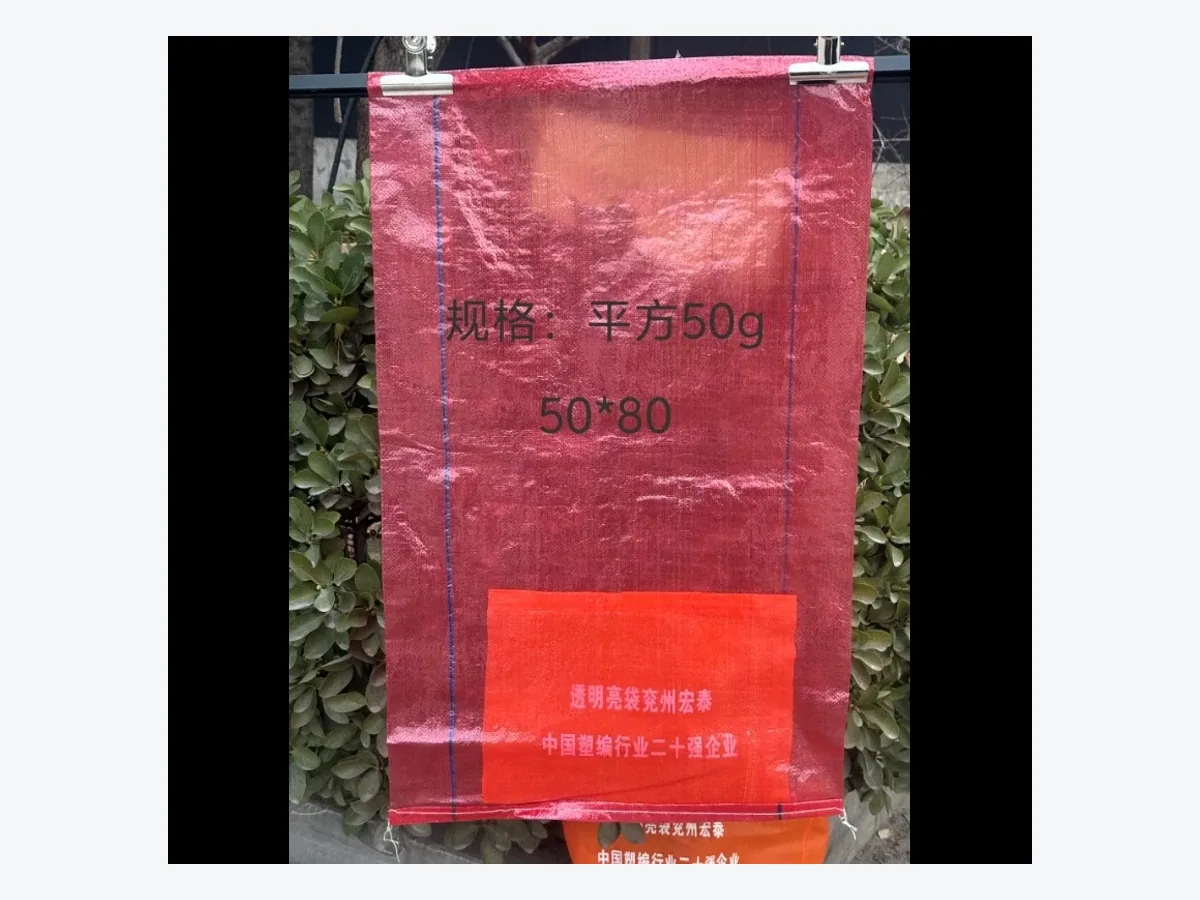
Use Hongtai’s transparent woven bag range only as a visible construction reference during early discussions. A mineral application still requires its own filled-package specification and trial.
Validate the filled package, not only the empty bag
- Confirm the bag opens and fills correctly on the intended equipment.
- Measure usable headspace and close the bag using the planned method.
- Check dust leakage, product loss and seam behavior.
- Stack the filled bags in the planned pallet pattern and storage height.
- Move a trial load through representative forklift, conveyor and transport handling.
- Open selected bags and inspect fabric, seams and any liner after the trial.
Convert the trial outcome into measurable acceptance criteria. If the buyer needs drop, compression or other testing, define the method, sample conditioning and pass criteria in the order rather than asking for an undefined “stronger” sack.
Separate ordinary mineral packaging from hazardous-material packaging
Standard PP woven sacks are not automatically authorized for hazardous materials. U.S. transportation rules in 49 CFR 173.24 require packaging to be authorized for the material, compatible with its contents and capable of maintaining performance under transportation conditions.
If the mineral is regulated as hazardous, the shipper and importer must determine the correct classification and packaging authorization before selecting a bag. Ask the supplier only for documentation tied to the exact proposed package; do not treat an ordinary woven sack quotation as evidence of regulatory suitability.
Common specification mistakes
- Using net weight without bulk density or particle information.
- Assuming a thicker or heavier bag automatically fixes seam, puncture or abrasion failures.
- Adding a liner without defining how it will be closed and held in place.
- Testing an empty bag instead of the complete filled package.
- Ignoring pallet pattern, container movement and unloading method.
- Applying hazardous-material language without confirming classification and packaging authorization.
Buyer FAQ
What should I send for a mineral bag quotation?
Send the mineral description, safety information when relevant, bulk density, particle profile, fill weight, dimensions, closure, handling route, barrier needs, quantity, packing and destination.
Is bag weight a reliable strength specification?
No. It does not fully describe tape, weave, dimensions, seams, optional layers or the filled-package test. Use a complete construction and acceptance plan.
When is an inner liner worth considering?
Consider it when the contents need additional moisture or fine-particle containment. Confirm compatibility, fit, filling behavior and closure with a representative sample.
Can these bags be used for hazardous minerals or chemicals?
Only after the responsible shipper confirms classification and an authorized, compatible package for the exact material and route. Ordinary PP woven sacks should not be assumed compliant.
How do I compare samples from two suppliers?
Fill them with the same product, to the same net weight, close them the same way and run the same handling sequence. Record dimensions, leakage, damage and stack behavior against one acceptance sheet.
Request a mineral packaging review
Submit the material profile, target weight, bag size, handling environment, required customization, estimated quantity, export packing, destination and delivery target through the inquiry page. Hongtai can then confirm which details require a sample or filled-package trial before a bulk specification is approved.