Quick answer: A custom PP woven bag sourcing project works when the buyer turns the application into a written RFQ, validates the construction with the packed product, controls artwork revisions and agrees on inspection and export packing before releasing bulk production. MOQ, sampling time and production schedule should be confirmed only after the final specification route is clear.
Build a quote-ready custom PP woven bag RFQ
| RFQ field | Information to provide | Why the supplier needs it |
|---|---|---|
| Packed product | Contents, fill weight, bulk density, particle or product behavior | Determines containment, dimensions and risk points |
| Bag format | Transparent, printed, perforated, laminated or window style | Defines the conversion route and sample reference |
| Dimensions | Flat width, length, opening and required tolerances | Connects the bag to filling and closing equipment |
| Construction | Material preference, barrier, liner, seam and edge details | Prevents quotations for different bags from being compared as equal |
| Artwork | Print sides, colors, files, codes and protected clear areas | Establishes proofing and production requirements |
| Order and logistics | Estimated quantity, packing, destination, trade term and target date | Supports MOQ, scheduling and shipment planning |
| Approval plan | Plain sample, printed sample, testing and inspection | Defines what must happen before production release |
When an item is unknown, describe the operating problem instead of guessing a value. For example, provide the current bag failure and handling route, then ask the supplier to propose a construction that can be tested against an agreed criterion.
Review the supplier against the exact project
Check whether the supplier currently makes the required bag style and can explain the proposed process, optional layers and quality checkpoints. Review real product and facility images, request a sample close to the final construction and confirm who controls technical, artwork and shipping approvals.
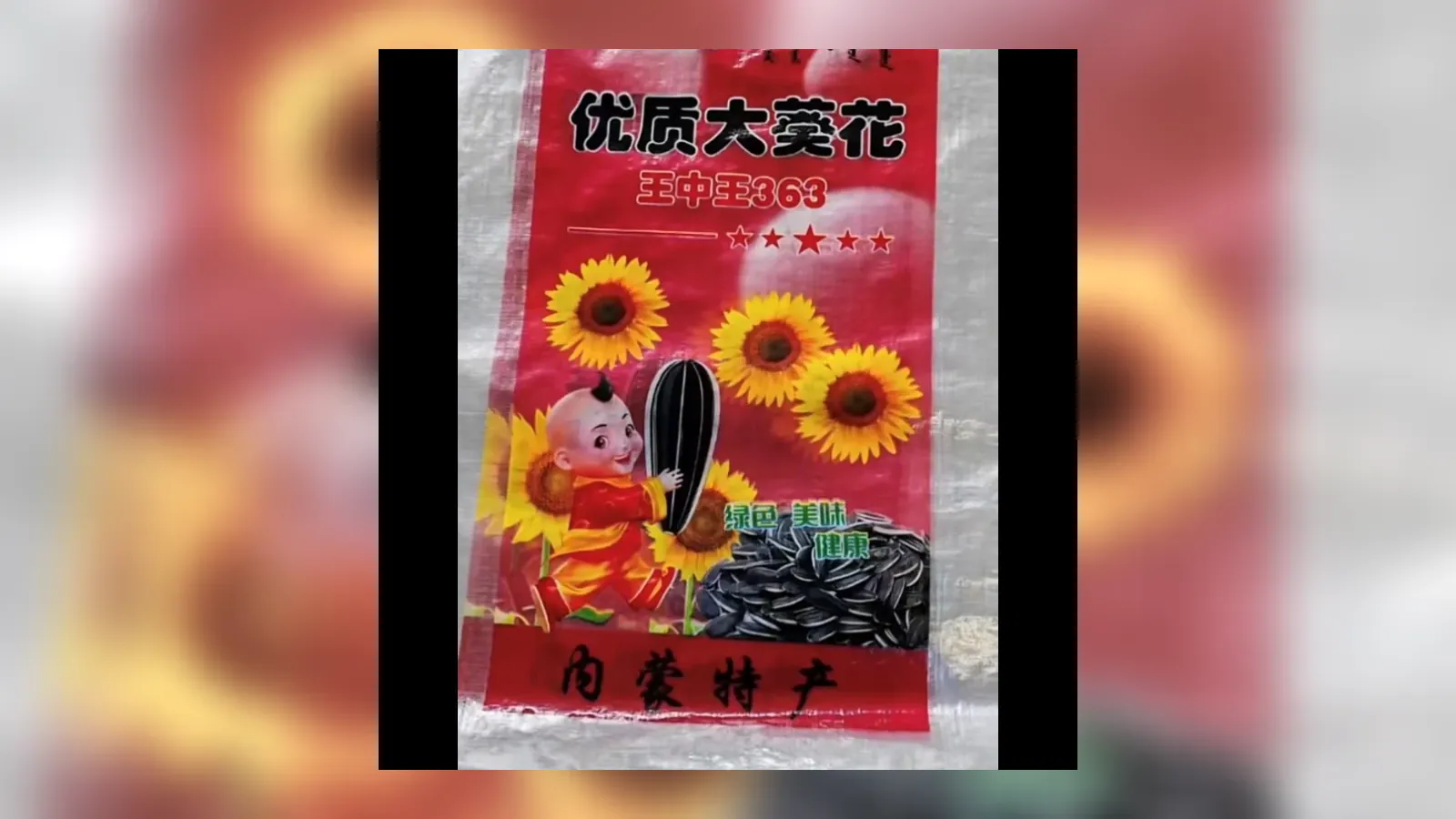
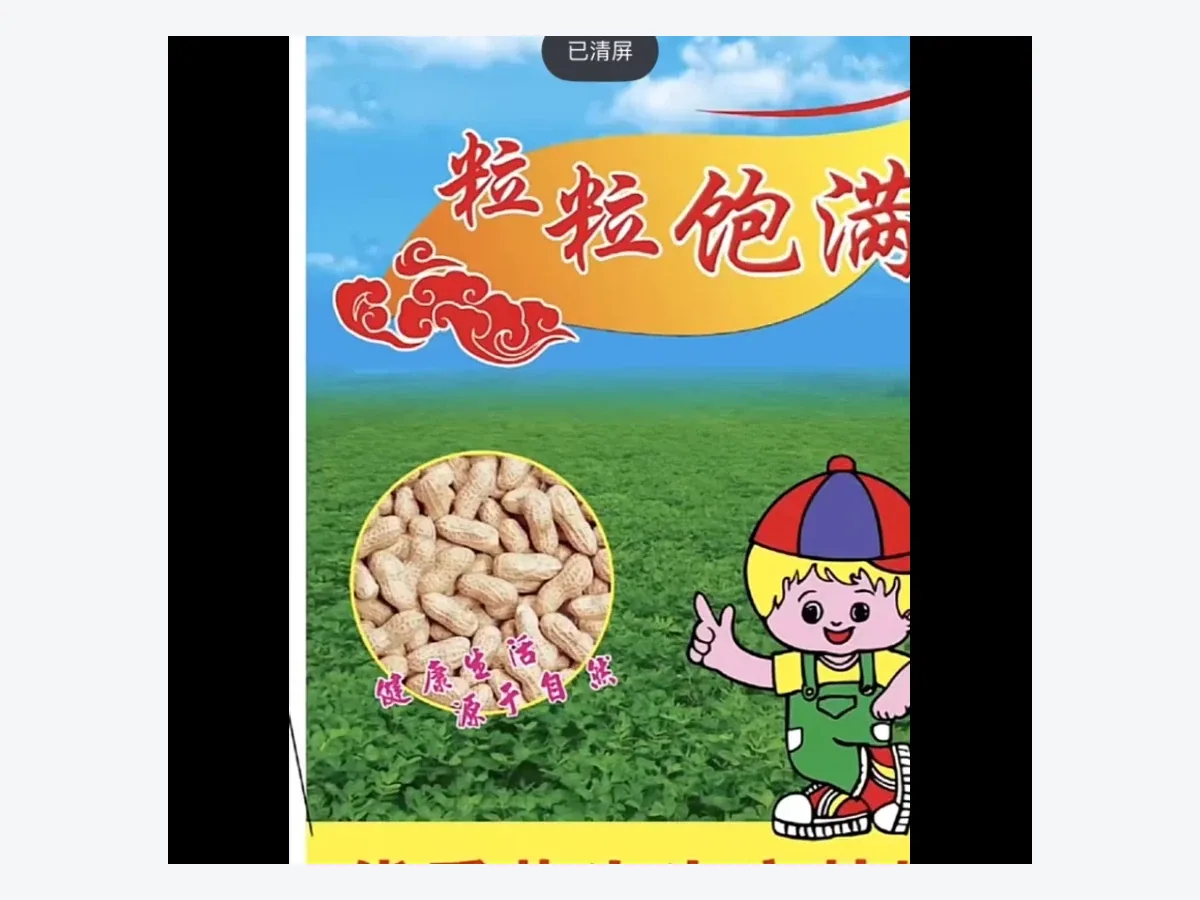
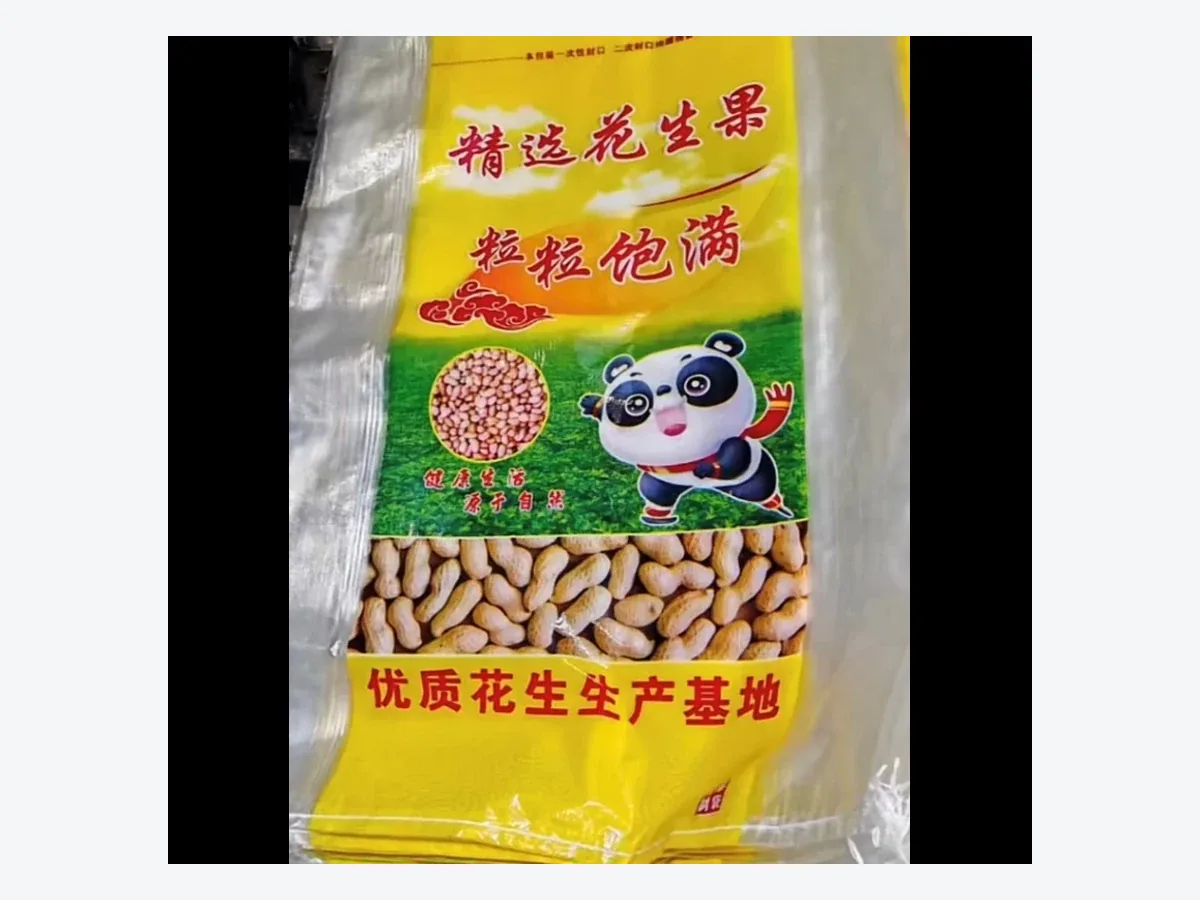
Hongtai currently lists transparent, printed, perforated and transparent-window PP woven bag examples. Use the closest current item to shorten the first specification discussion, but do not assume its size or materials apply to the new program.
Use a staged sample workflow
- Existing reference: review a current product to align on style and visible construction.
- Plain construction sample: verify filling, closing, dimensions and handling before print costs complicate changes.
- Artwork proof: approve copy, orientation, dimensions, colors and revision.
- Printed or pre-production reference: check the complete appearance and identify the accepted sample.
- Bulk release: connect the sample, artwork and inspection plan to the purchase order.
Sample sequence varies by project. Ask the supplier to confirm which sample can be made from current materials, which represents normal production and what must be validated again after a construction or artwork change.
Control the bulk order from purchase order to shipment
The purchase order should identify the final specification, artwork revision, quantity, allowed tolerance, packing, labels, destination, trade term, required documents and inspection arrangement. Record change approvals in writing and update the controlled references.
Before shipment, verify quantity, visible construction, dimensions, artwork, seam and closure checks, bundle or carton count, shipping marks and any functional test agreed in the order. Confirm whether inspection is performed by the supplier, buyer or an independent service.
Plan U.S. import and pallet details before artwork approval
Ask the importer or customs adviser to confirm final country-of-origin marking and other entry requirements. CBP’s official U.S. importing guide provides general guidance, but the final article and packaging determine the specific marking approach.
If regulated wood pallets, crates or dunnage will enter the United States, USDA APHIS states that wood packaging material must meet applicable ISPM 15 requirements. Confirm the actual pallet choice; this requirement does not apply to non-wood alternatives simply because they are export packaging.
Common OEM sourcing mistakes
- Requesting a price with only a photo and total quantity.
- Comparing quotations that use different constructions or packing.
- Approving an empty sample for a demanding filled application.
- Releasing artwork before origin marking and importer text are confirmed.
- Leaving inspection ownership and acceptance criteria undefined.
- Assuming MOQ or lead time from a previous design applies to a new specification.
Buyer FAQ
What is the difference between OEM and ODM for woven bags?
In an OEM project, the supplier produces to the buyer’s specification and artwork. Some buyers use ODM for supplier-developed packaging concepts, but ownership, approvals and compliance responsibilities should be stated clearly.
What quantity is needed for a custom order?
MOQ depends on construction, printing, materials and production setup. Submit the final or near-final specification and expected annual volume for a project-specific confirmation.
Can I start with samples before final artwork?
Yes. A plain construction sample can validate filling and handling while artwork is developed, followed by a proof or printed reference once the design is stable.
How should I protect confidential artwork?
Limit files to the parties who need them, use clear revision control and put confidentiality or ownership terms into the commercial agreement when required.
What should be included in a pre-shipment inspection?
Use the purchase specification: quantity, dimensions, construction, artwork revision, appearance, seam and closure checks, packing, labels and agreed functional tests.
How is production lead time confirmed?
It depends on approvals, material availability, process route, quantity, packing and current allocation. Confirm the schedule after samples and artwork follow an agreed path.
Send a complete OEM bag request
Submit the product type, material and construction preference, size, application environment, custom features, estimated purchase quantity, packing, destination country and requested delivery date through the inquiry page. Attach artwork and a current bag or filled-package image when available, then ask Hongtai to list remaining decisions before quotation.